Goal
B
Integrate green infrastructure and nature-based solutions into stormwater, streets, and other public facilities to improve resilience and community health.
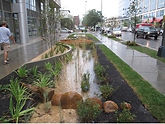
Access to nature, expanding the City’s tree canopy, and reducing impacts from extreme heat and flooding are critical community needs. This set of actions focuses on using nature, parks, trees, and green infrastructure to reduce flooding from stormwater, reduce urban heat island impacts, and make access to these green spaces available for all residents, while ensuring sustained maintenance. These solutions include things like permeable pavement, which allows water to enter the soil as it falls, rather than pooling on hardscapes like concrete or asphalt. These solutions will also bring more nature into the city – cleaning our air, filtering water, and reducing the temperature by providing shade. This goal aligns with the Strategic Land Use Plan G3.1A: Identify several types of geographies where flood risk should influence future land use decisions for development.
Strategy
Support the implementation and maintenance of green infrastructure and nature-based approaches across the city to protect and support public spaces, including streets, trails, bus stops, parks, sports facilities, sidewalks, and plazas.
Expected Outcomes
Resilience to flooding and extreme heat, particularly in neighborhoods most vulnerable to climate impacts.
Increased regenerative landscaping and maintenance practices to sequester carbon in trees and soils.
Safe access to parks and green spaces for all residents, reducing impacts from extreme heat and supporting public health.
How will we achieve this?
Our Actions
B.1
Provide funding and increase capacity for the Green City Coalition to work in neighborhoods with high levels of vacancy and high impacts from stormwater flash flooding to develop and implement resident-led visions for stormwater management; these efforts should consider natural habitats/ecosystems and community needs, such as local food production, prioritizing neighborhoods of historical disinvestment.
B.2
Develop a parks, recreation, and forestry master plan that addresses inequity of park quality with a focus on supporting community well-being and resilience, including the use of nature-based solutions that mitigate carbon and support the effective management of stormwater.
B.3
Pursue stormwater runoff reductions and water quality improvements through public works, transportation, and parks projects, ensuring maintenance standards align with objectives for flood management and green infrastructure.
B.4
Better protect the Mississippi River by establishing nature/biodiversity corridors, Waterfront Windows identified in the SLUP, and encouraging flood plain restoration.
B.5
Develop a self-funding financing program and tools to bolster maintenance and development of green infrastructure.
Case Studies
Learn more about the sustainability practices or principles mentioned in the actions above.

MSD Project Clear Rainscaping Grants

Green Infrastructure